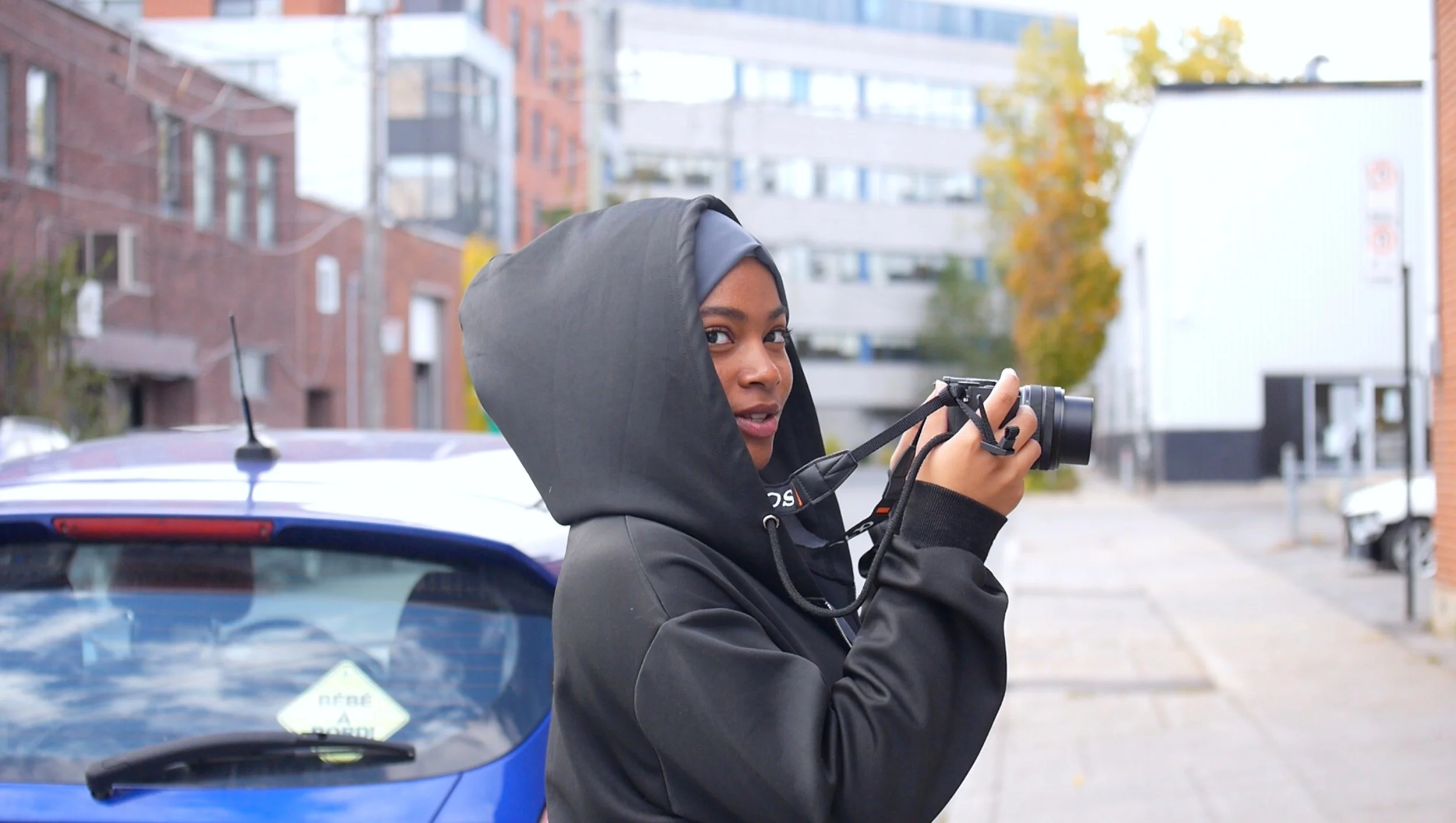
STEPPING INTO HALKA, 2023. ▬ Première in Cinéma JA de Sève, June 6, 2023. ▬ “Why is your band called Enslaved?” — CTV News at Five / CTV Montreal In-Depth Interviews. Aired on June 6, 2023. ▬ The artist’s latest intervention follows the experiences of three young women (Hunnayna Hemed, Kaymarie Sutherland, and Kendra McDonald) as they document the work of Halka, a collective composed of social science researchers, university professors, world-renowned metal musicians, underground DJs, and artists. Standing on the outside looking in (with a camera) becomes an emboldening exercise for Hunnayna, Kaymarie, and Kendra as they examine the ethics of their inclusion in the seemingly sacrosanct worlds of academia, research, and art. Follow the three teenagers as they navigate the ethics of representing those who would normally be the authority in the room.
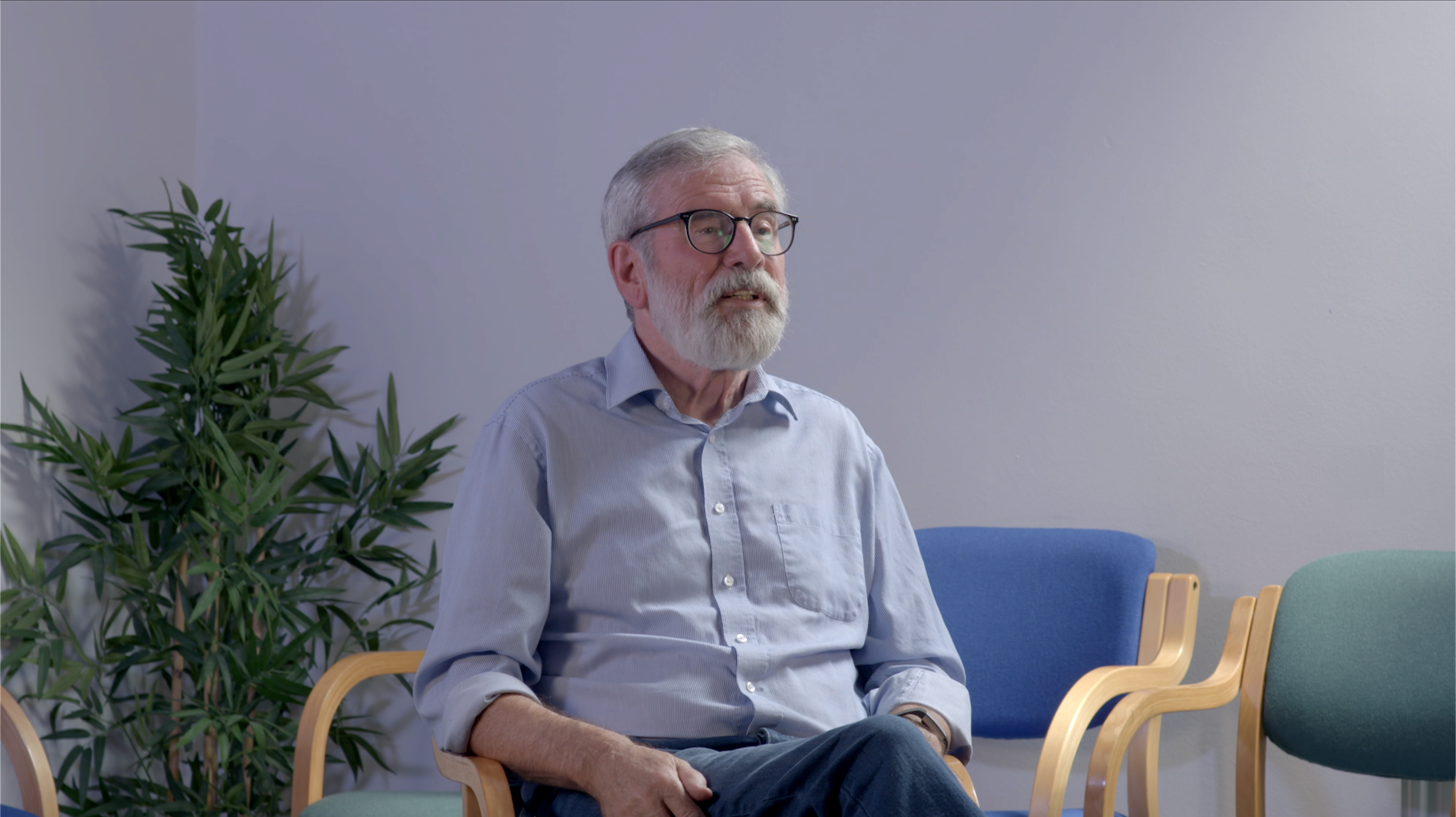
BURNING OF LONG KESH, 2024. ▬ This extended preview of interviews with Irish Republicans by Veronica Mockler and Cormac Saunders is the first series of interviews to be included in Mockler's oral history on the Burning of Long Kesh. Upcoming interviews featuring interned and sentenced women, loyalist prisoners, as well as family and community members from all groups. ▬ Featured Irish Republican Prisoners of War (in order of appearance): Paddy Gillen, Liam Shannon, Seamus Cairns, Richard McAuley, Gerry Adams, Jim McCann, Fra McCann, Jimmy Gray, Sam Foot, Sean Keenan, Barney Saunders, Tony Morelli, Kevin Carson, Jimmy Quinn. ▬ In collaboration with the CR Gas Legacy Group, Felons Club Belfast, Roddy McCorley Republican Heritage Centre, St Comgall's Ionad Eileen Howell, Digital Arts Studios Belfast, UNESCO-PREV Co-Chair Vivek Venkatesh, Concordia University, and Coalition for Peace in Ireland Montreal.
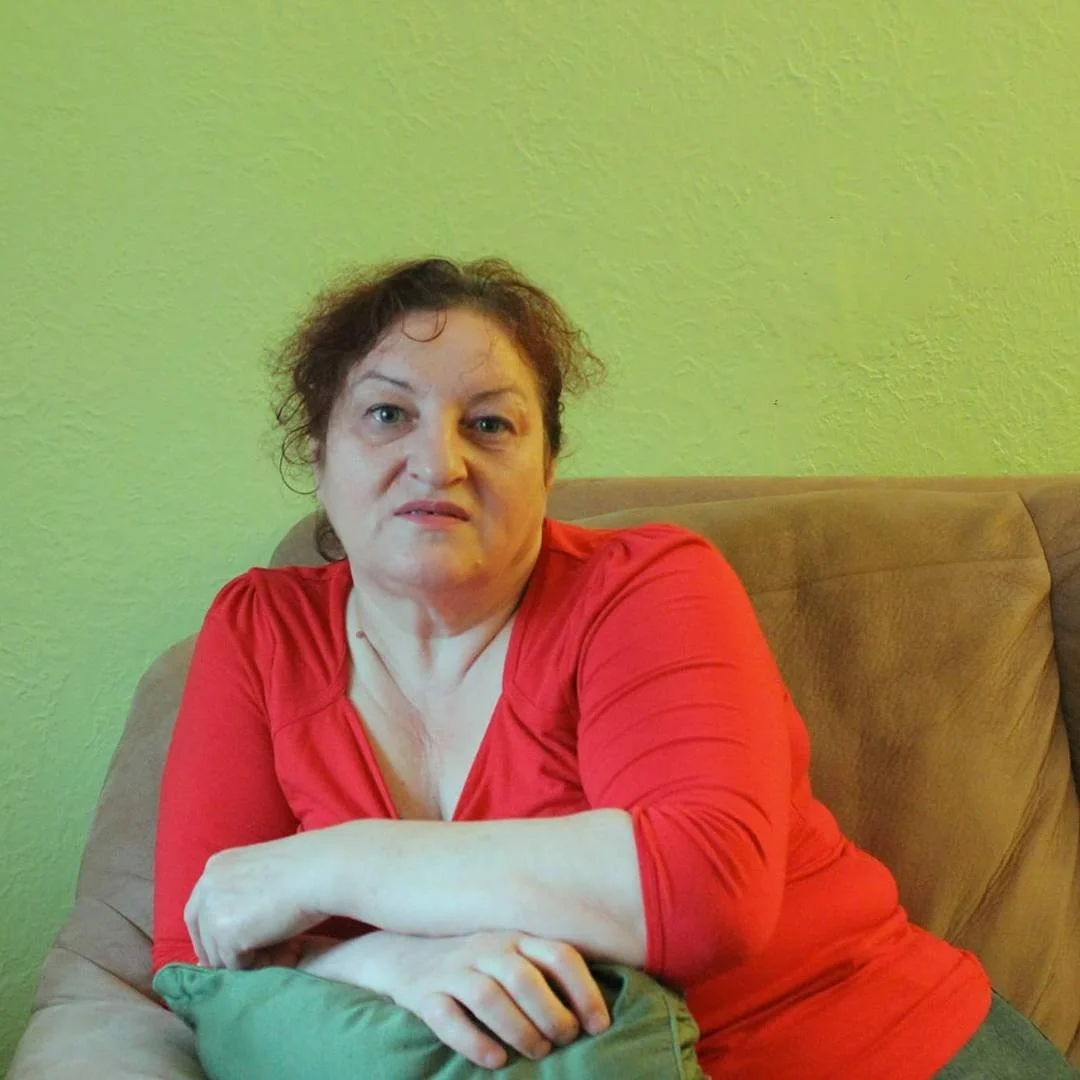
SPENDING TIME WITH NADIA, 2013. ▬ An early, provisional relational work in which I spent time with a woman I did not know during one afternoon. ▬ Nadia and I did not know each other when I asked her if I could take her portrait. Nadia was the concierge in my apartment building at the time. She agreed without any hesitation and invited me into her home the following week. In this early relational work, I saw the series of photographs as a pretext for exchange—a setting in which a 22-year-old woman (my age at the time) was invited to learn from an older woman, a mother, a wife, a worker, an immigrant. I wanted to spend time with Nadia, someone I had only greeted a few times on my way down the building’s stairwell she was sweeping. Nadia and I only met once. That afternoon, I took photographs of Nadia in different rooms of her apartment. I also met Nadia's husband and teenage son. We shared several cups of Turkish coffee while Nadia showed me pictures of her dearly missed family in Moldova. Nadia told me that a year after immigrating to Canada, she had to go back to Moldova because she had been suffering from depression caused by homesickness. When I left, Nadia insisted I take a case of 12 juice pouches with me. Shortly after, I painted a large portrait of Nadia based on one of the photographs I had taken of her. I never saw Nadia again, after that afternoon. I never had the opportunity to show her the painting. It is also one of the last portraits I ever painted of someone.
Mockler’s questioning of institutional inclusion mechanisms takes on a dynamic form through the ongoing circulation and exhibition of her three-screen video installation, titled The Third Screen. Whether featured at a conference or exhibited in a white cube setting, the installation transforms these spaces into dialogical arenas. Within the video piece, the conventional process of communicating research results, both in art and research, undergoes a subtle ontological rebellion. Viewers find themselves immersed in the experience of research participants - Azzouz, Joanna, Kevin, and Sheida — who are directly included in the interpretation and communication of the final research output. Informed by the tenets of decoloniality, working-class oral history, and popular education, this immersive installation stands not just as a static display but as a manifestation of a dialogic approach for knowledge-making. Mockler encourages academics and artists to actively question the depth and phases of inclusion in their collaborations, pushing for a shift towards a more inconclusive and participatory engagement with those they work alongside.
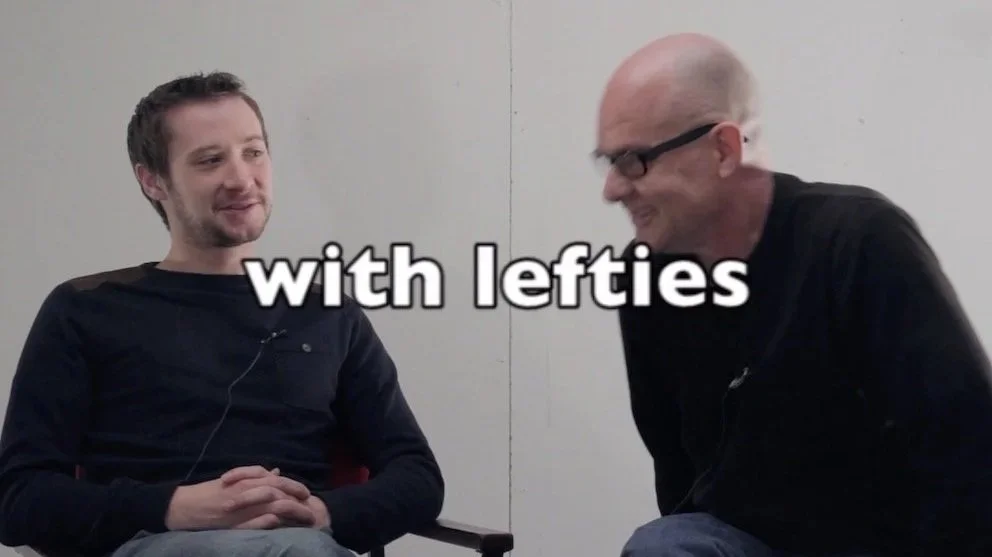
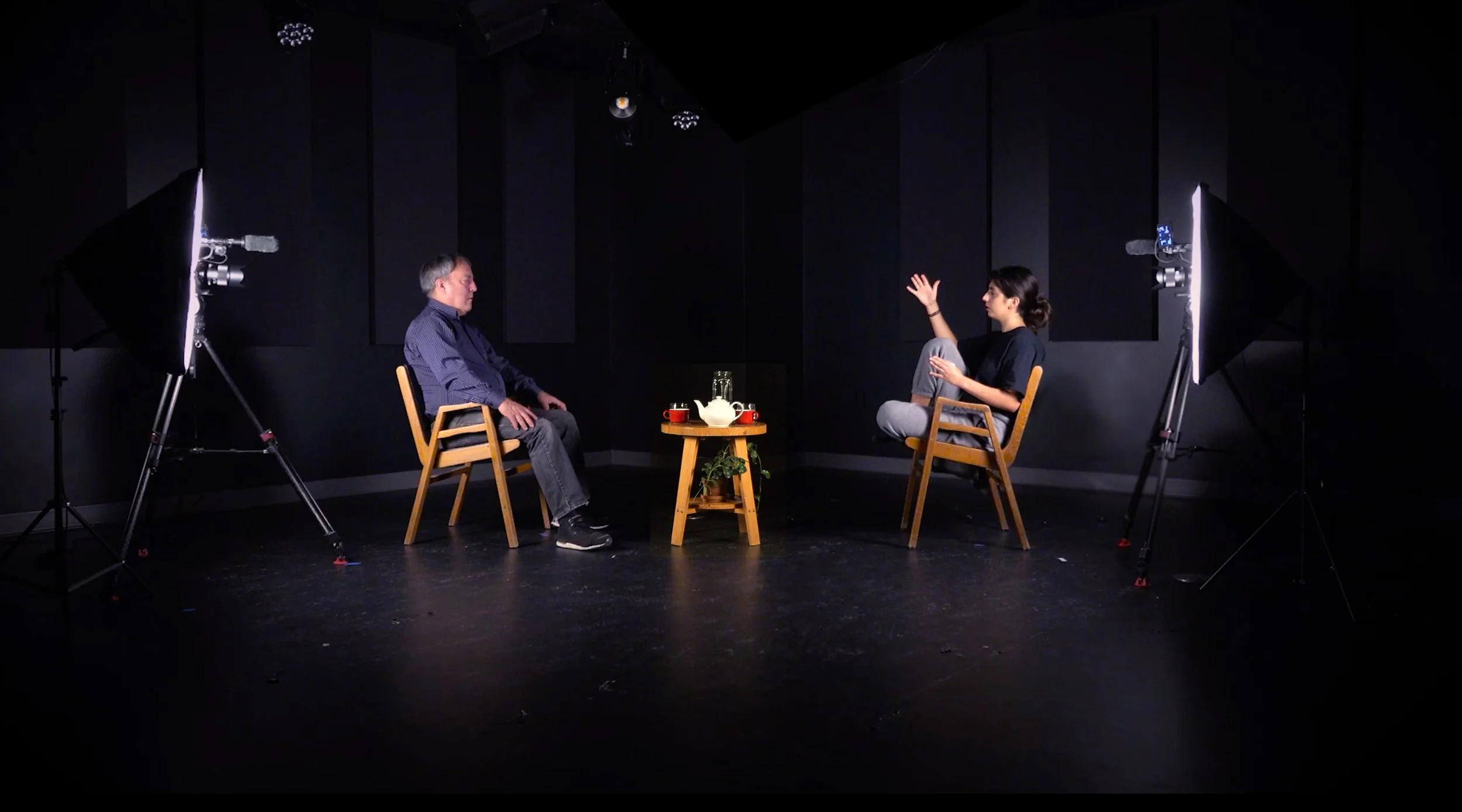
The Left Point is an audacious relational experiment in which folks who all considered themselves to be “socially progressive” end up rapidly disagreeing with one another. Randomly paired up, strangers are asked to sit in front of a camera and attempt to disagree with one another. No particular subject matter is suggested for the discussion. Instead, each team has to reach a point of disagreement intuitively through the exchange of personal ideas and opinions. The sole instruction from the artist: Discuss something that truly matters to you. Mockler conducts this experiment during her first visit to Belfast, 4 months after the Brexit referendum. During this one-month stay, business tycoon Donald Trump also becomes President of the United States. These unsettling events in both the U.K. and the U.S., as well as the palpable and raw legacy of the conflict in the North, prompts her to explore disagreement in its most basic form. Digital Art Studio of Belfast and FLAX Art Studios
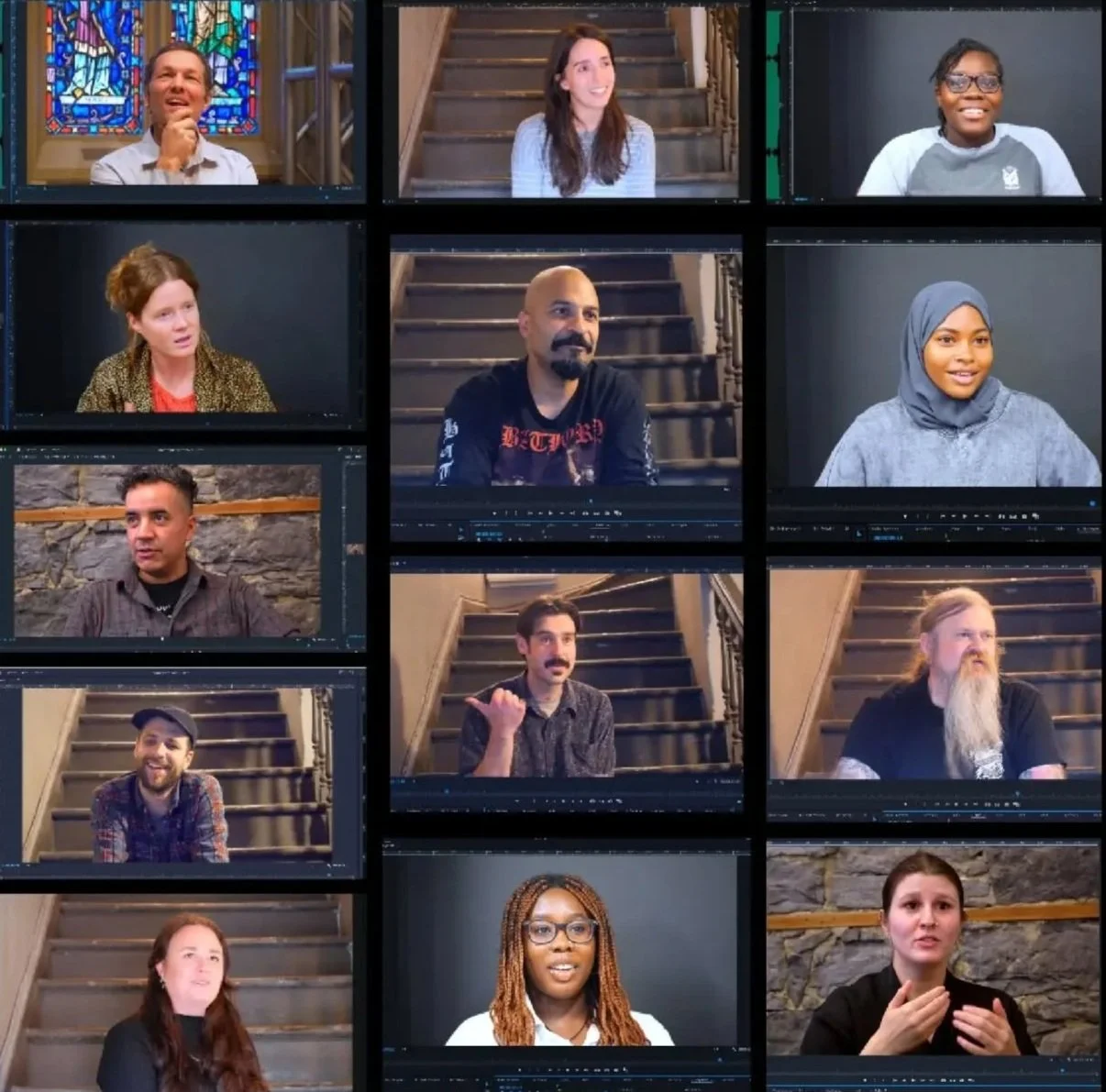
“Why is your band called Enslaved?” — CTV News at Five / CTV Montreal In-Depth Interviews. Aired on June 6, 2023. The artist’s latest intervention follows the experiences of three young women (Hunnayna Hemed, Kaymarie Sutherland, and Kendra McDonald) as they document the work of Halka, a collective composed of social science researchers, university professors, world-renowned metal musicians, underground DJs, and artists. Standing on the outside looking in (with a camera) becomes [ … ] Employment and Social Development - Government of Canada Fonds de recherche du Québec Société et culture, Social Sciences and Humanities Research Council of Canada 2022-23
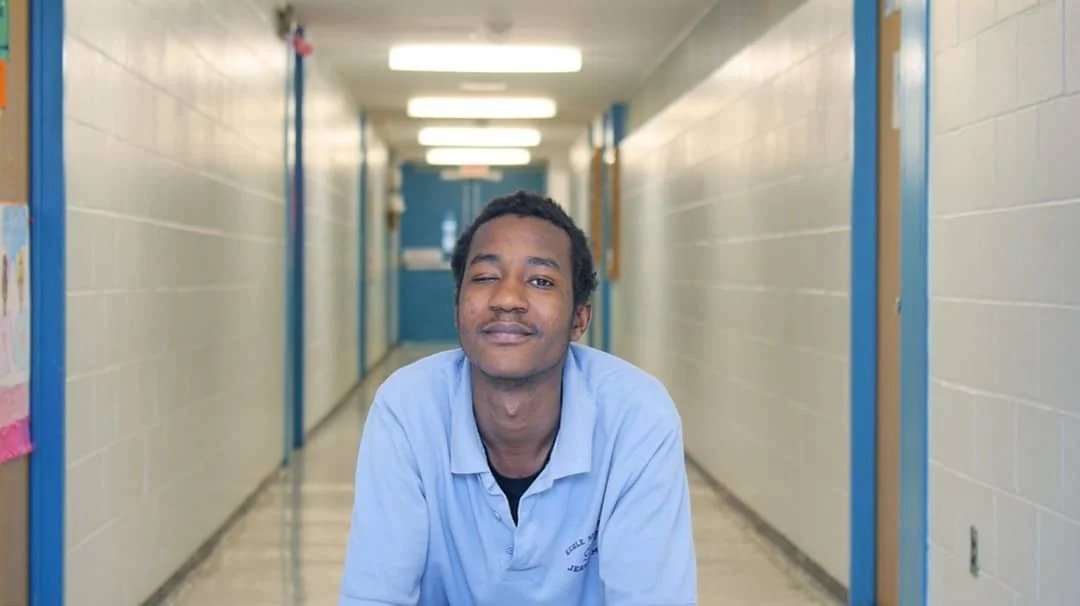
In April 2018, I was invited to undertake a six-week artist residency in a Montreal high school. During my time there, I created a series of documentary manipulations with 16 teenagers who had just recently arrived in Canada. As newcomers, many refugees, these teens were learning French in what the Québec school system calls a “welcome class” [ … ] The work is distributed by Groupe Intervention Video

LISTENING TO NATI, 2018 to present ▬ This unfinished documentary work is about Nati, a young woman who sought out me back in 2018 to ask if I could help her tell her story. We first met in a coffee shop, which we left minutes later to find a more private place to talk. Natasha went on to present herself as a 21-year-old Montreal-born woman who was first sexually assaulted at the age of 7. She is the survivor of six cases of sexual violence perpetrated by different men. Nati identifies as a "Lao-Salvadoreña activist against sexual violence, a rape survivor, and a suicide attempt survivor" (taken from Natasha's Instagram biography). At the age of 21, Natasha decided to publicly address, through video logs on social media, the sexual abuse, incest, and misogyny she has experienced in her lifetime. Listening to Nati is a work of nonfiction that explores the use of “enactments” to reclaim what should have been joyful moments and experiences in Nati’s life—moments she was unable to take part in due to crisis and depression, such as her high school graduation. Treading the uneasy line between reality and fiction, the work does not attempt to fill the void of a happy memory that never came to be. Rather, it seeks to rewire it—to embed new code into the memory of what did not happen. The absence remains, but it is now accompanied by the artist and Nati’s playful, strange enactments of what might have been.
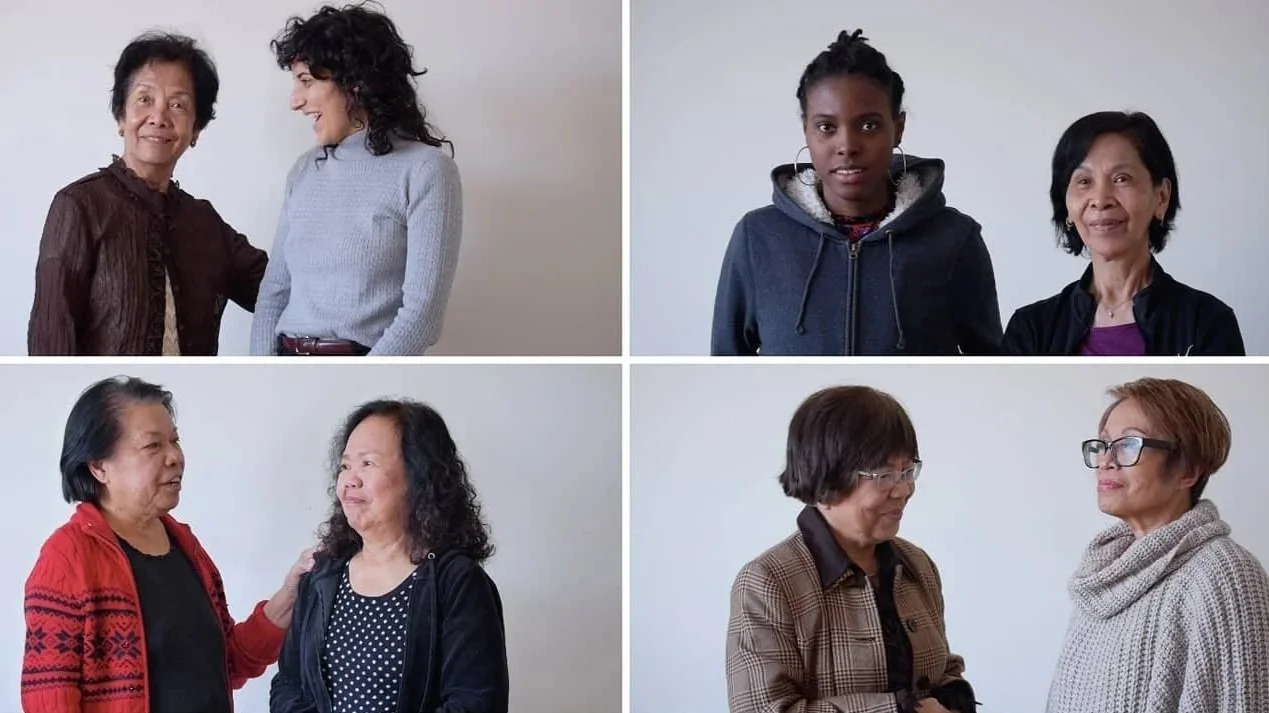
The ethics of listening is at the core of the collective’s investigations. Through public programs and commissions, the collective has developed sound, video and walking nonfictions with different community groups of women+. In collaboration with: Filipino Heritage Society of Montreal, Centre for Oral History and Digital Storytelling, Long Hall Art Studios, La Centrale galerie Powerhouse, HTMelles Festival, ATSA at Place des Arts, Feminist Spatial Stories Symposium and the École Polytechnique Commemoration (UdeM, UQAM, McGill and Concordia Universities).
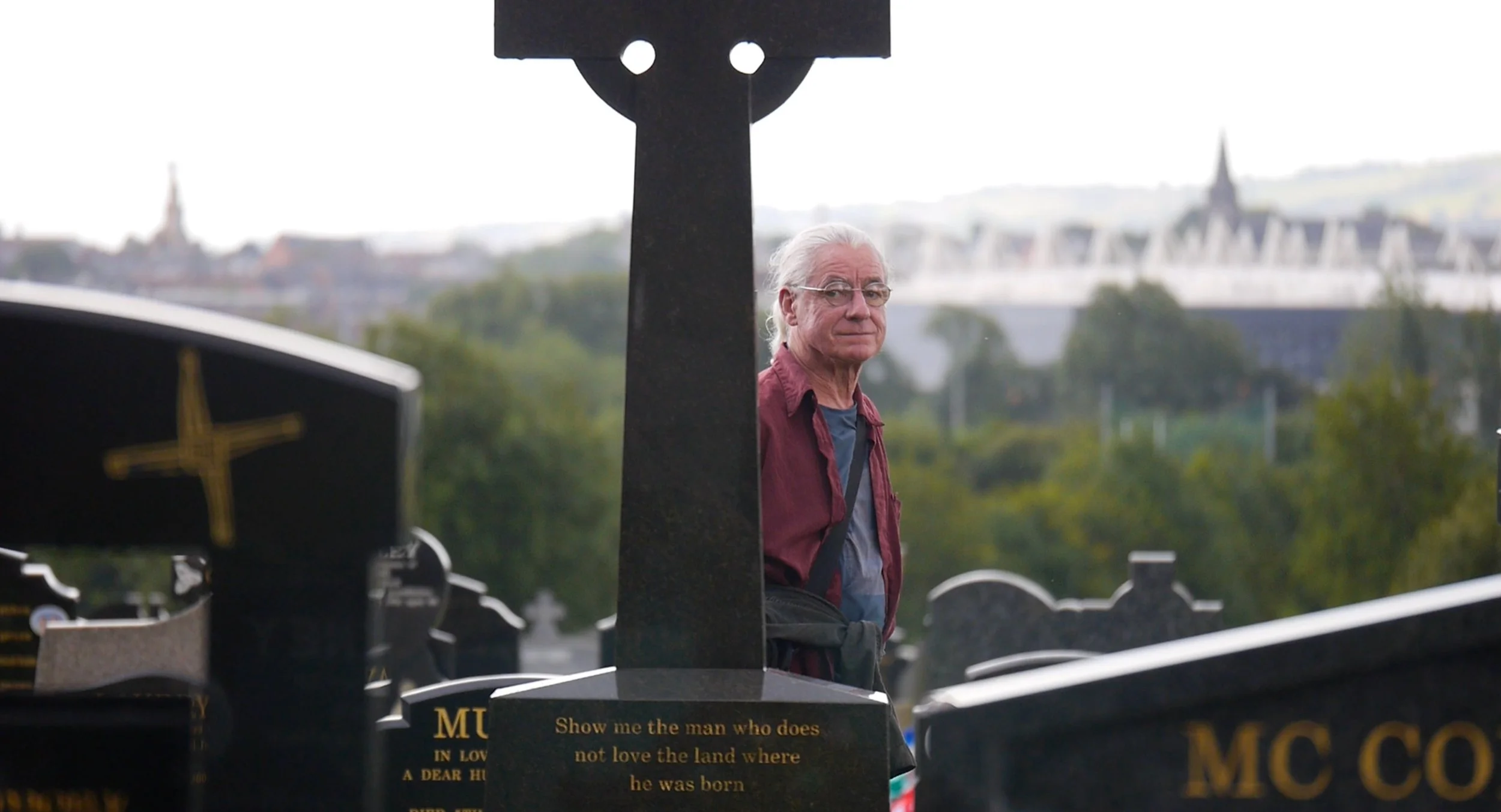
Spanning California, Québec, and Ireland, this work initially began as an oral history interview with Belfast-based working-class activists Bobby Lavery and Susana Hennessey Lavery. Now including the voices and experiences of 14 Irish Republican prisoners of war, this polyphonic investigation explores the ethics of extremity and representation and encompasses a sound installation (Listening, Performance and Conflict Symposium, 2019), and several video installations (Felon’s Club, Belfast; St. Comgalls, Ionad Eileen Howell). The artist also writes about the work in a text titled “Hard Listening: The Ethics of Extremity”, in The Ethics of Extremity: On Seeing, Hearing and Feeling Each Other, by Bloomsbury Publishing, 2026. Digital Arts Studios, Belfast Roddy McCorley Museum Listening, Performance and Conflict II Acts of Listening Lab - Centre for Oral History and Digital Storytelling UNESCO Chair in the Prevention of Radicalization and Violent Extremism Centre for the Study of Learning and Performance Intermedia Cyber Arts Department - Concordia University
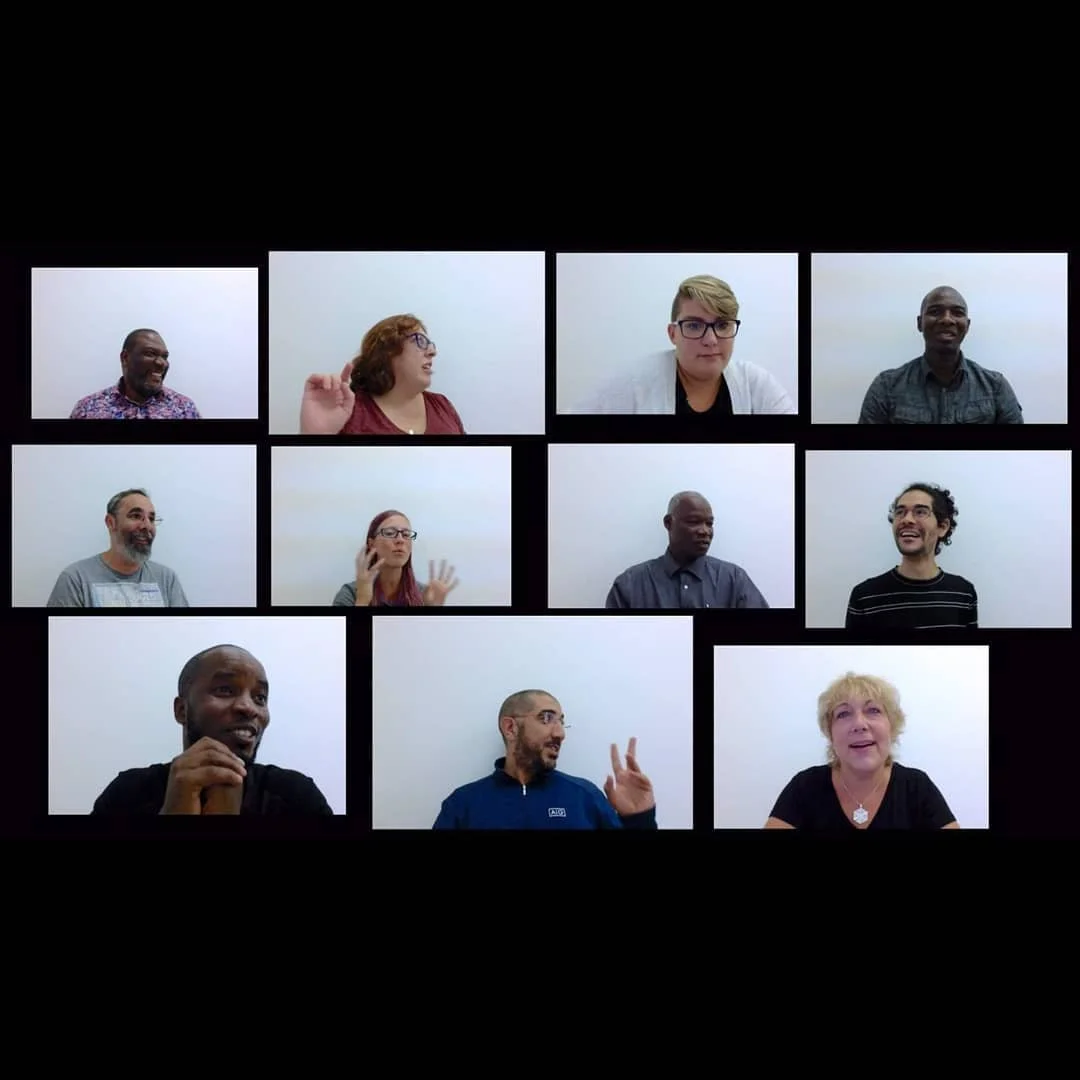
PAVILLON, 2019. In collaboration with La Maison des artistes visuels francophones, Pluri-Elles, Accueil Francophone, Secrétariat du Québec aux relations canadiennes, and the Centre Turbine. Winnipeg, Manitoba, from August to December, 2019. Watching these regular people from such different worlds open up to the camera was facinating—especially the moment when the artist invites those who have just arrived to stand at Louis Riel’s grave to speak about their persecution. Watching the locals, proud Franco-Manitoban from settler lineage, react and listen, and then share what they knew of Riel’s story, made our very different histories suddenly collide. — Member of the audience, Pavillon exhibition opening (Nuit Blanche), December 2019.
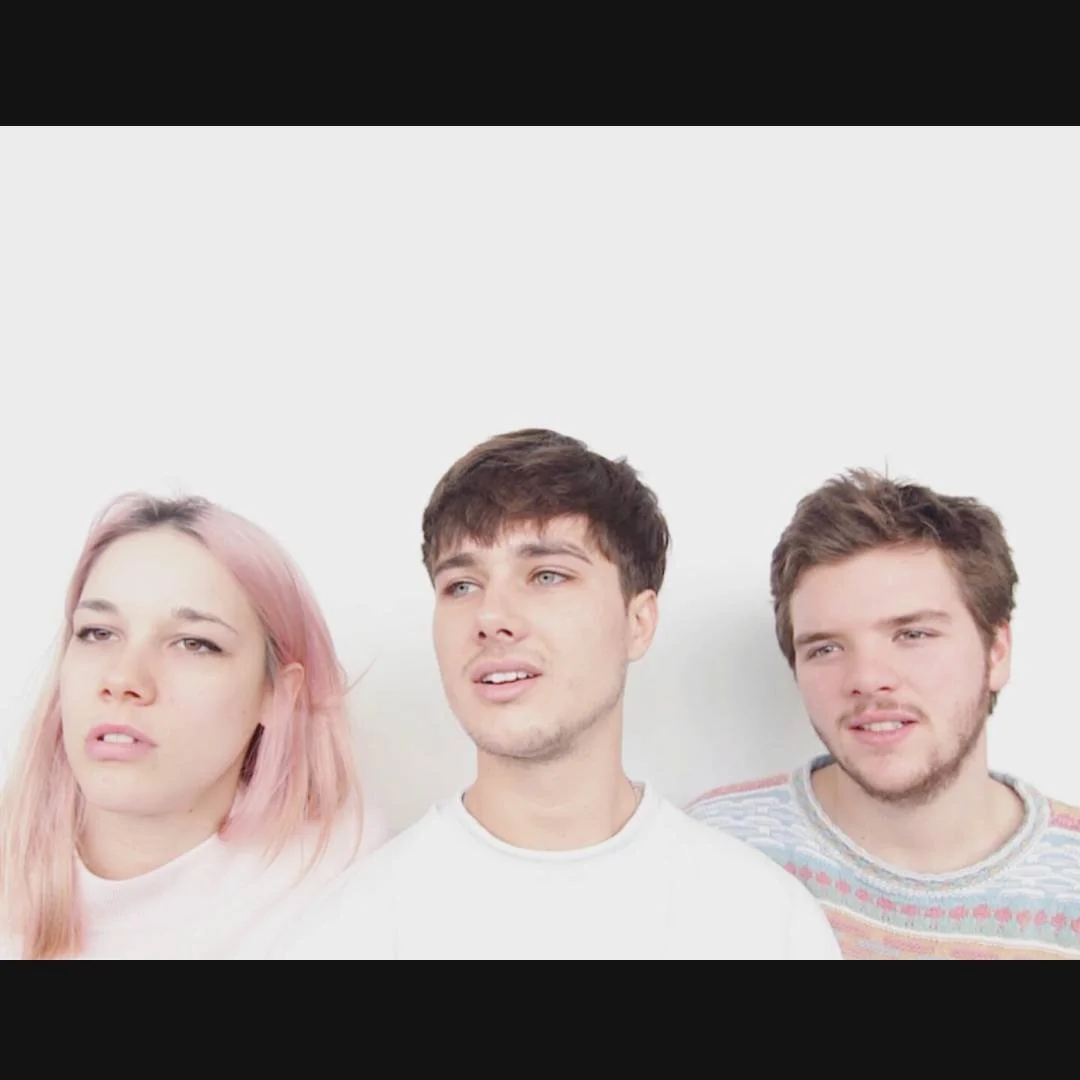
This work borrows its title from famous French documentary classic Chronique d'un été (Morin; Rouch, 1961). In a similar way to its predecessor, this contemporary Québécois take on cinema vérité also presents a youth particular to its time, place, and identity politics. However, Mockler’s rendition documents the conversation of three white millennials belonging to a typical Western world demographic. Their free and futile interactions, though entertaining at first, rapidly become alarming [ … ] Women Cinema Makers Biennial, Berlin, Germany, 2018 Gstaad Art Film Festival, Sélection Officielle, Montevideo, Uruguay, 2017
Copyright © 2024 Veronica Mockler